
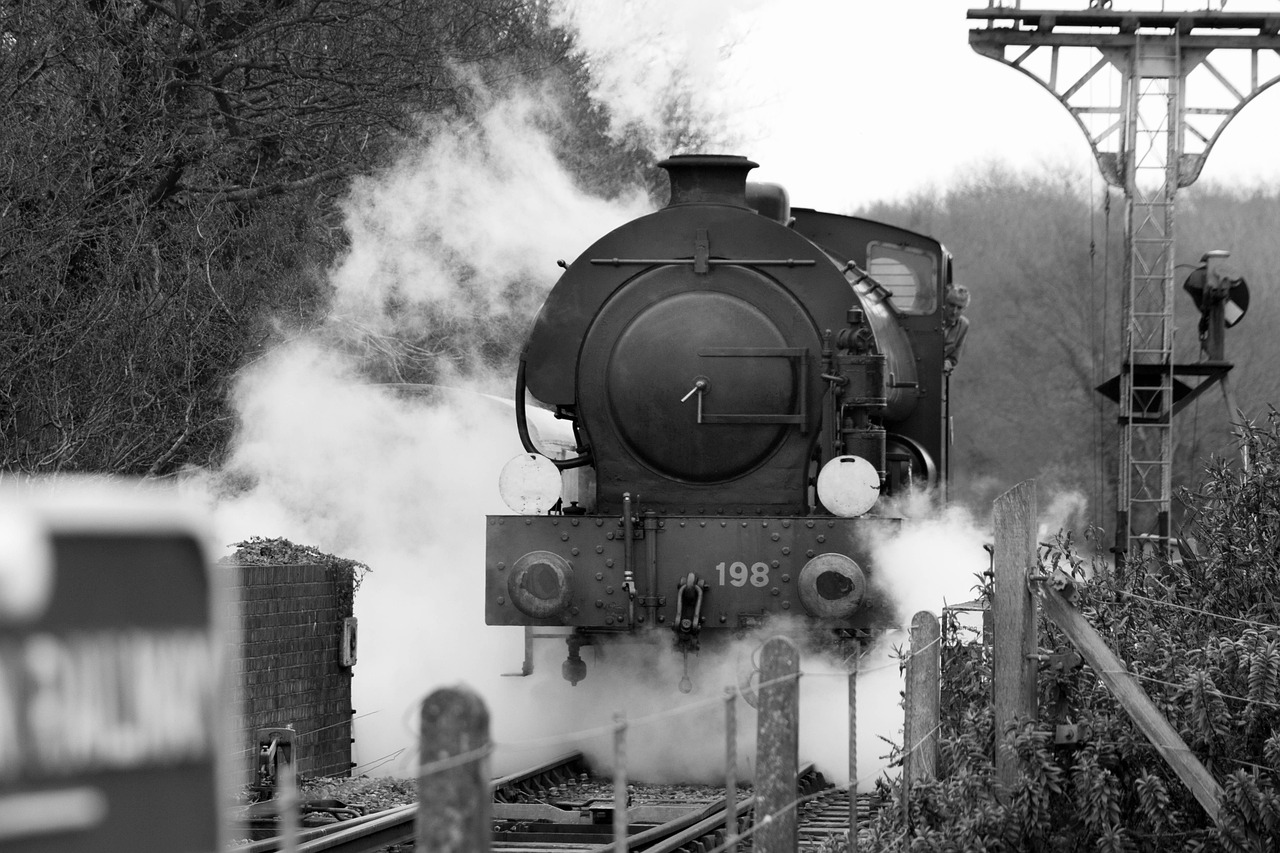
Dr Richard Beeching (1913–1985) was a British physicist and engineer. As the chairman of British Rail, he became widely known for reshaping the UK’s railway network during the 1960s. However, his influence remains one of the most debated in British transport history.
By the late 1950s, the British railway network was struggling financially. Passenger numbers were declining while transport competition from road travel continuing to increase. High operating costs and large underused parts of the network added further pressure.
The Beeching Report: “The Reshaping of British Railways”
He became a household name in Britain in the early 1960s for his report “The Reshaping of British Railways”. This is commonly referred to as The Beeching Report. This landmark report examined every section of the UK network, identifying routes that were losing money.
What did the report lead to?
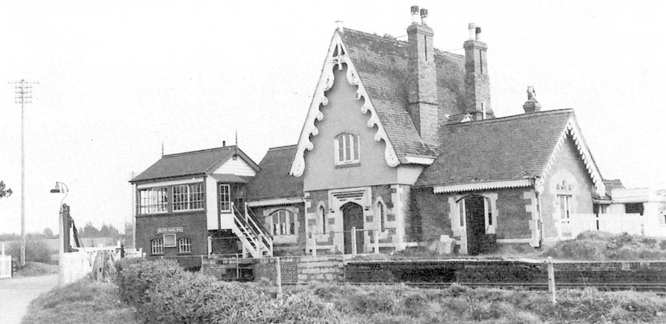
The report triggered the closure of more than 4,000 route miles from the system on cost and efficiency grounds. As a result, this left Britain with 13,721 miles of railway lines in 1966. By the end of the 1960s, British Rail removed another 2,000 miles from the network. Many lines were converted to freight-only use. This became known as the Beeching Cuts.
 Before 1963 and after 1984
Beeching’s Second Report
Beeching’s second report focused on creating a faster, modern network. It argued that only certain major intercity routes should receive investment.
Why Were “the Beeching Cuts” So Controversial?
The Beeching Report remain one of the most controversial transport decisions in UK history. Critics have accused Beeching of disconnecting rural and coastal communities, long-term economic decline in regions, underestimated future population growth and environmental concerns and closing lines that still carried heavy passenger traffic or could have thrived today. However, supporters argue that the network was too expensive to maintain in its pre-1960s form, streamlining was necessary and main lines ultimately improved due to focused investment.
Beeching’s Legacy
Dr Beeching retired from British Railways in 1965 and returned to Imperial Chemical Industries. His legacy remains powerful with the word “Beeching” widely used to refer to cuts or restructuring. Authorities across the UK are reassessing many disused lines for potential reopening under modern rail strategies.
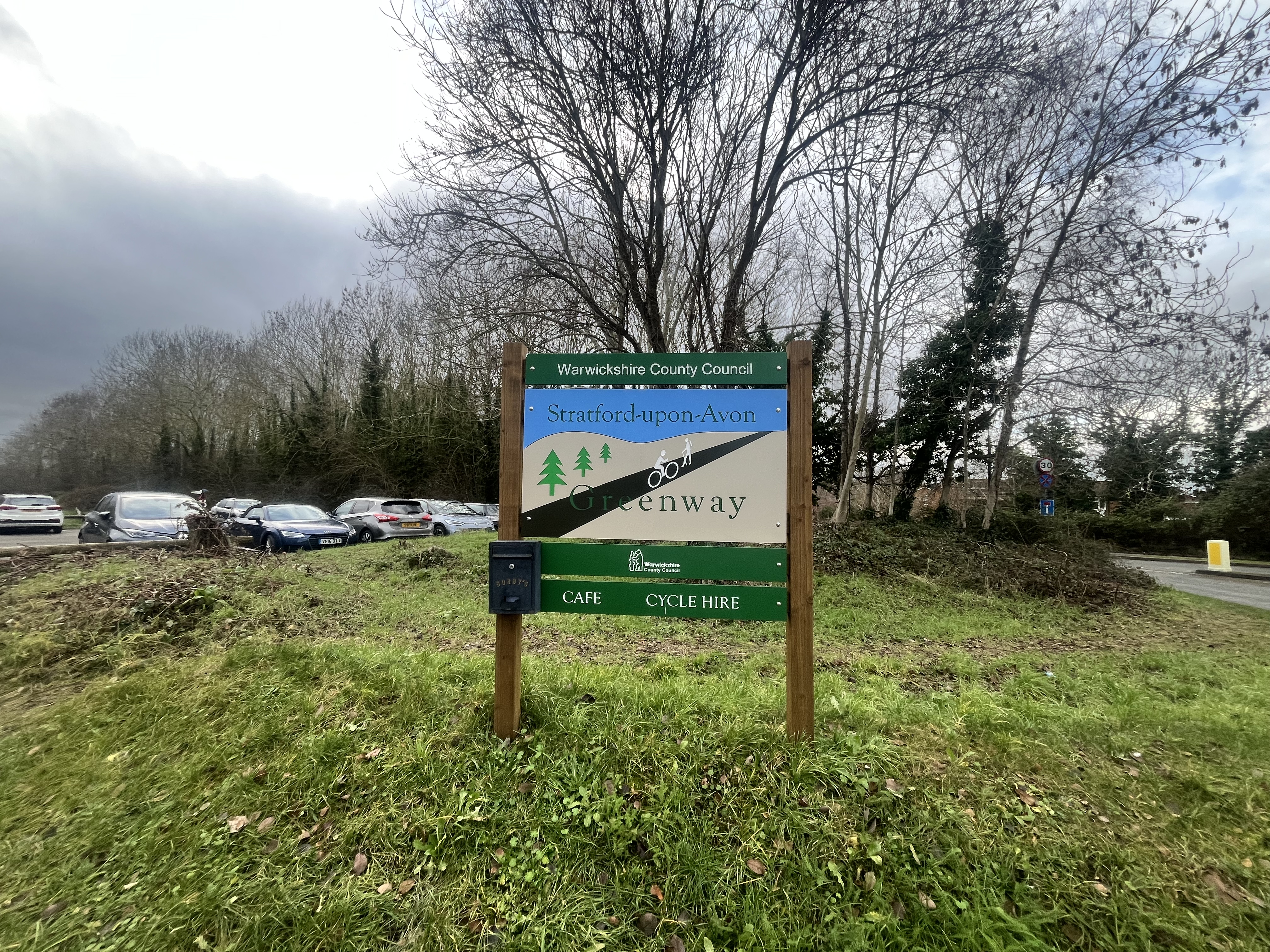
Today, the growth of sustainable transport, light rail, and very light rail systems, like the work done by the Greenway Initiative, aims to reconnect communities that previous closures left disconnected.


Really interesting article about Dr. Beeching; politicians that enacted the recommendations of the Beeching report were, perhaps and speaking in retrospect, lacking in vision about the importance of many of the closed lines; if, in the light of experience, the policy of many line closures is now judged to have been a mistake it is not only Dr. Beeching himself that takes the blame. Thanks for this interesting article.