
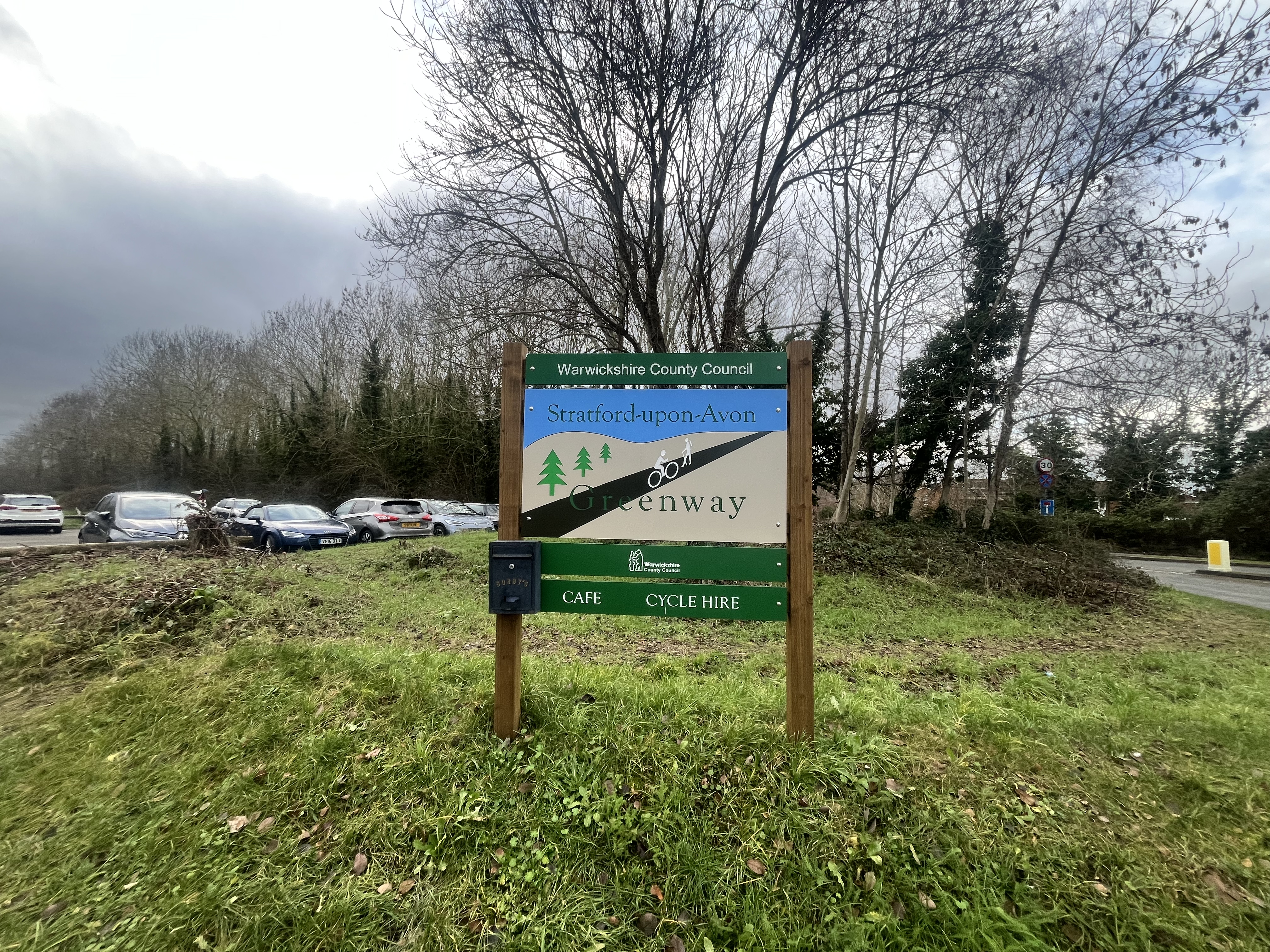
The Greenway Initiative was created with a clear purpose, to reconnect communities by reopening disused railway lines in a sustainable, future focused way. Inspired by local history and environmental thinking, the organisation grew from one clear idea, that old railway lines can still play a part in modern life.
Inspired by the Stratford Greenway

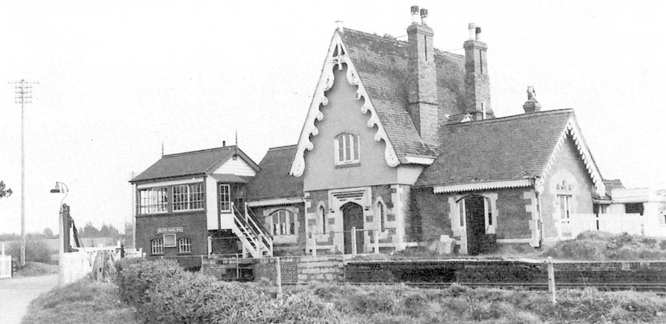
The Greenway Initiative is based in Stratford-upon-Avon, home to the Stratford Greenway. This is a five-mile traffic free route that follows the path of a former railway line. Originally part of the Honeybourne Line, this railway opened in the 19th century and once connected Stratford to surrounding towns and villages. The line closed in 1976, and workers later removed the tracks.
Rather than disappearing completely, the route was reborn as a walking and cycling greenway, widely used by residents and visitors. Today, it forms part of the National Cycle Network and stands as a reminder of how that disused lines do not need to stay forgotten.
For the founders of the Greenway Initiative, the Stratford Greenway represented more than a leisure route. It symbolised lost connectivity, and the untapped potential of disused rail corridors across the UK.
Why the Name “Greenway Initiative”?
The name ‘Greenway Initiative’ deliberately reflects both place and purpose
- Greenway refers directly to the Stratford Greenway itself, a former railway transformed into a shared public space.
- “Green” reflects the organisation’s environmental values and commitment to net zero transport.
- “Way” represents a different way of thinking about transport, one that prioritises people, communities and sustainability.
Together, the name captures the organisation’s mission, finding greener ways to reconnect places using existing rail infrastructure.
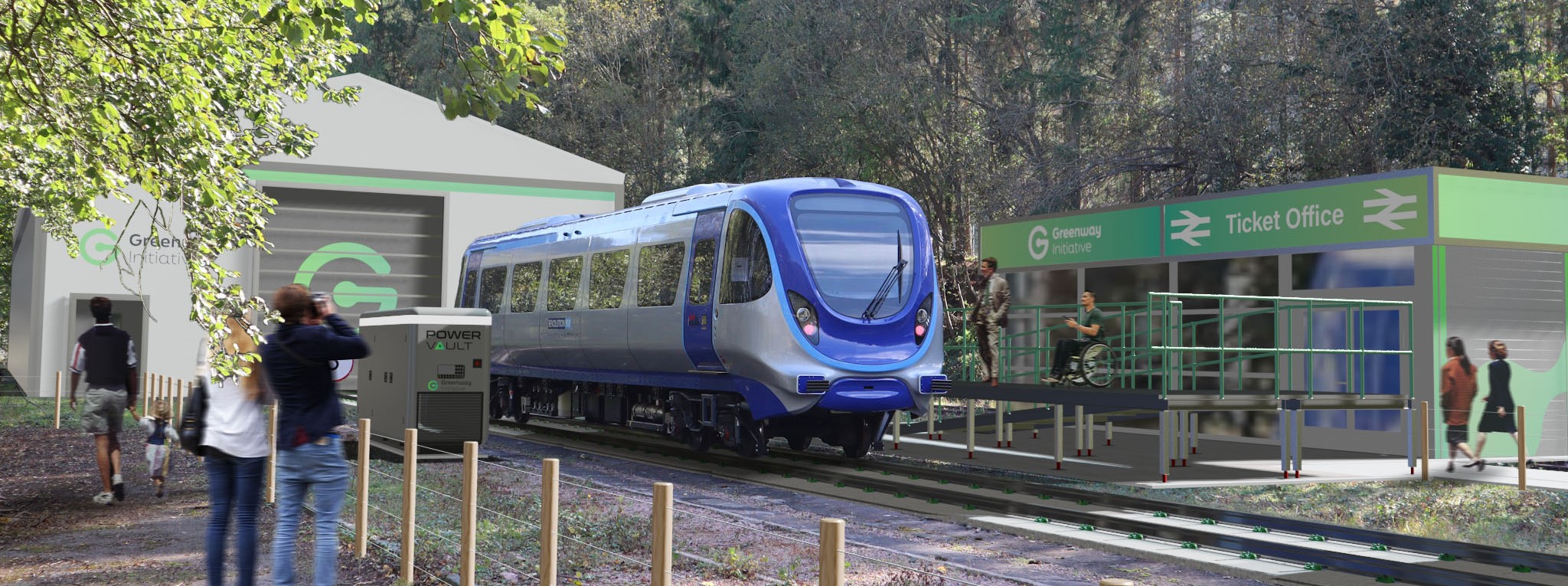
From Disused Lines to Reconnected Communities
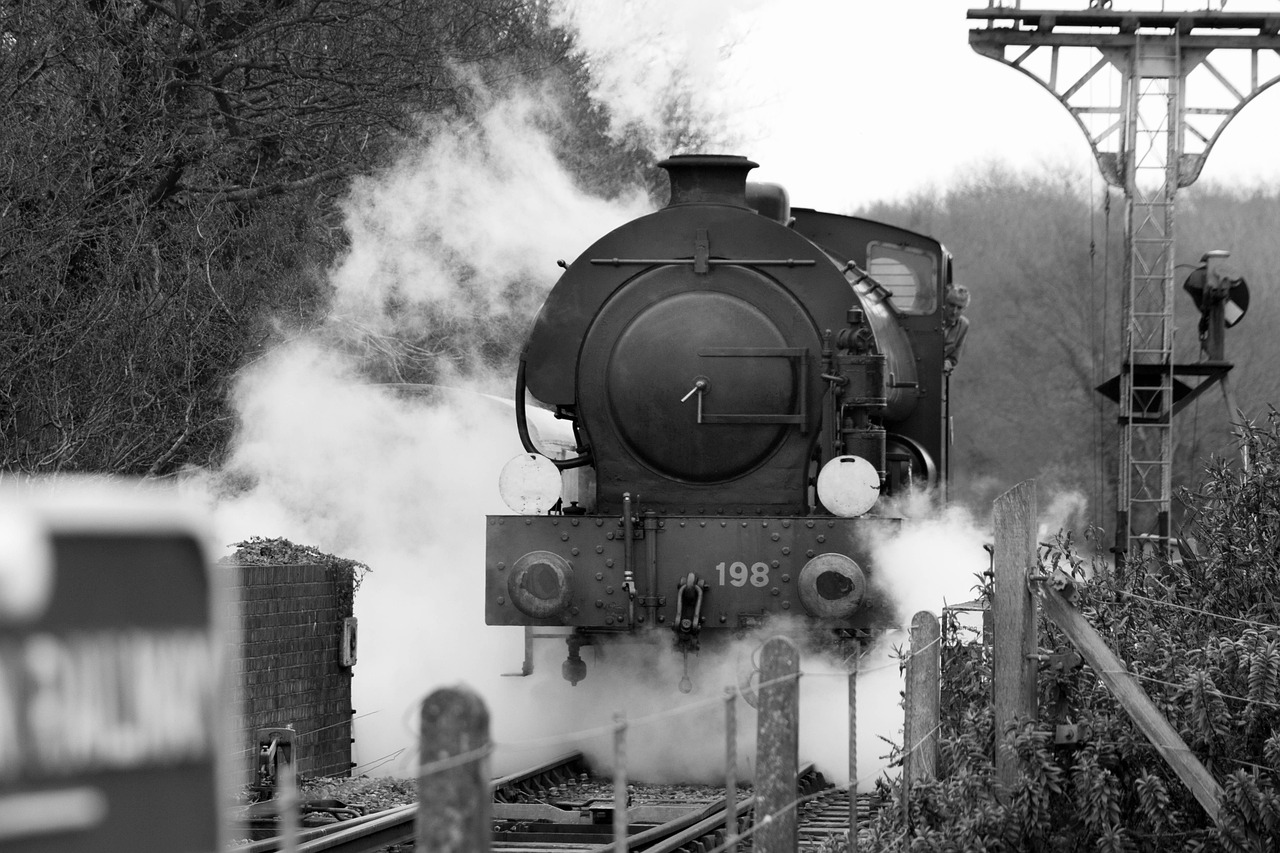
Across the UK, thousands of miles of railway closed during the mid-20th century and many of these closures left towns and rural communities without reliable public transport links, increasing car dependency and social isolation.
Greenway Initiative exists because we couldn’t give up on closed railways
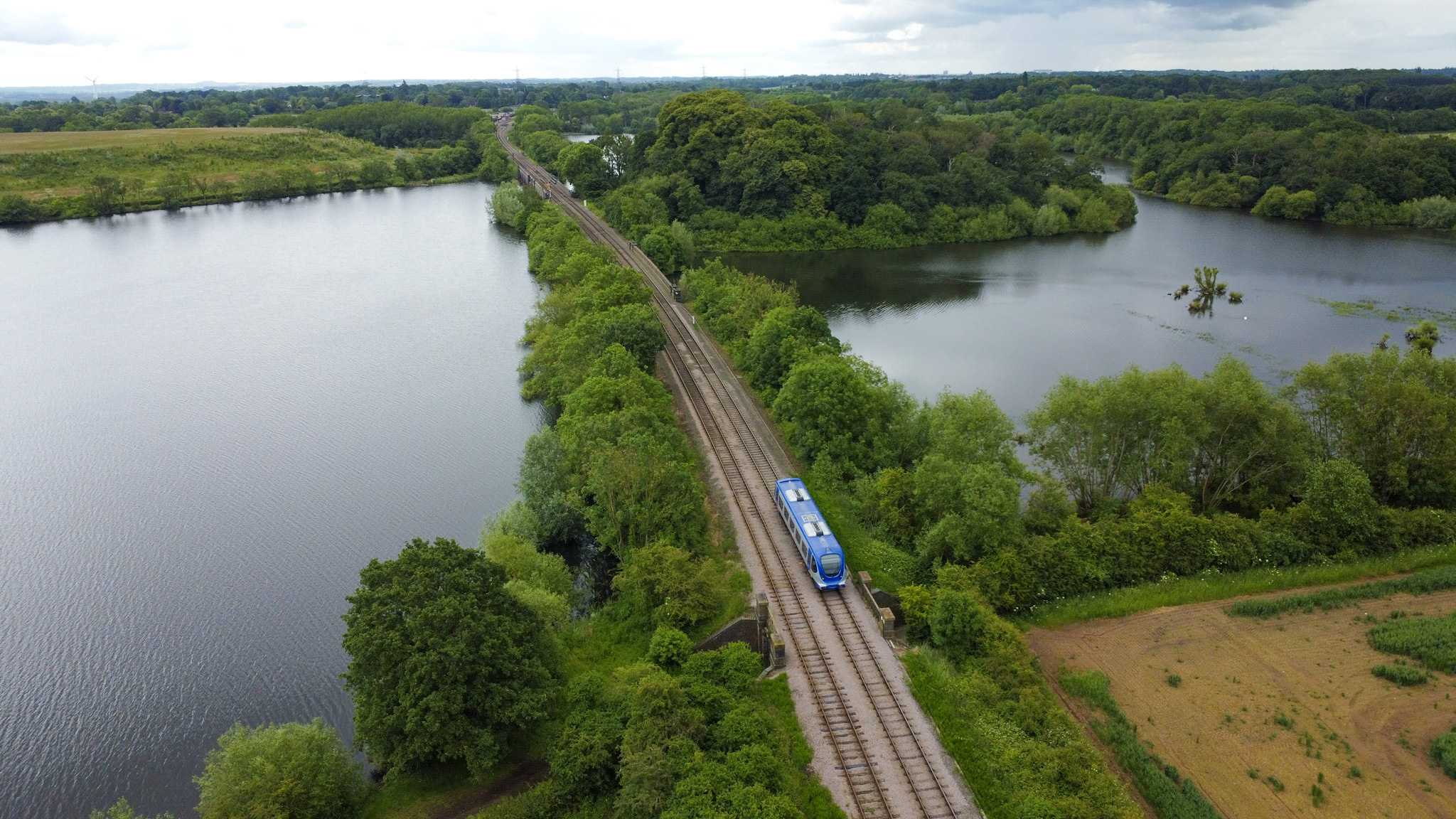
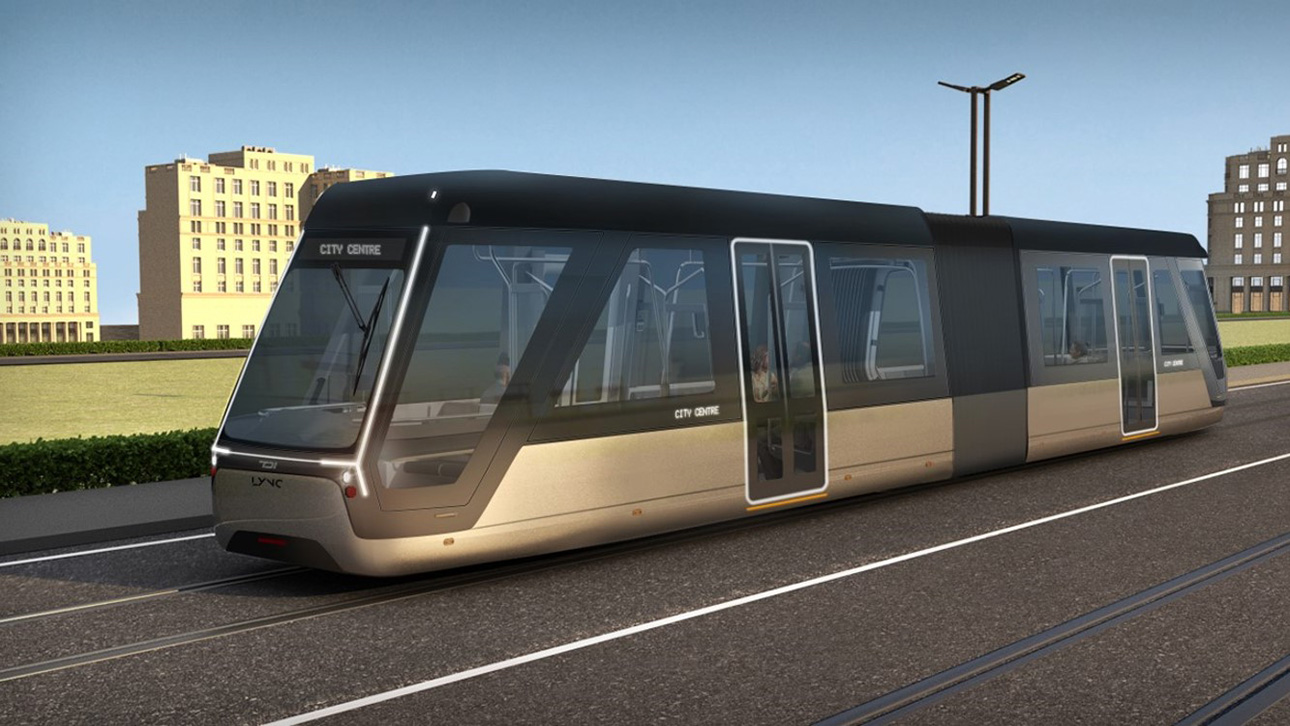
By focusing on Very Light Rail (VLR) and modern transport solutions, the initiative aims to make reopening railways viable where traditional heavy rail may not be. This approach supports:
- Rural and sub-urban connectivity to existing mainline services
- Reduce or eliminate carbon emissions
- Economic growth in smaller communities
- Improved access to jobs, education and services
A Modern Approach Built on Historic Foundations
Greenway Initiative didn’t appear overnight. Instead, it grew from conversations, shared ideas and a simple question, “could transport work better for people?”. Especially for communities that lost their rail links years ago.
The Stratford Greenway helped spark that thinking. Seeing a former railway reused by local people showed how much these routes still matter. Combined with a growing need for more sustainable thinking, it shaped Greenway Initiative into what it is today. A project focused on reconnecting communities, reusing what already exists, and building something that lasts.
Looking Ahead
Today, the Greenway Initiative continues to identify opportunities to reopen disused railway lines and reimagine them for modern travel needs. While greenways and cycle paths remain valuable for the community, we believe that rail can coexist alongside them, restoring connectivity without losing environmental benefits.
The story of how the Greenway Initiative was created is a story about seeing possibility in what already exists and choosing a greener way forward.